AI Visualisation Strategy for Startups: Brand Systems for Search Dominance in 2026


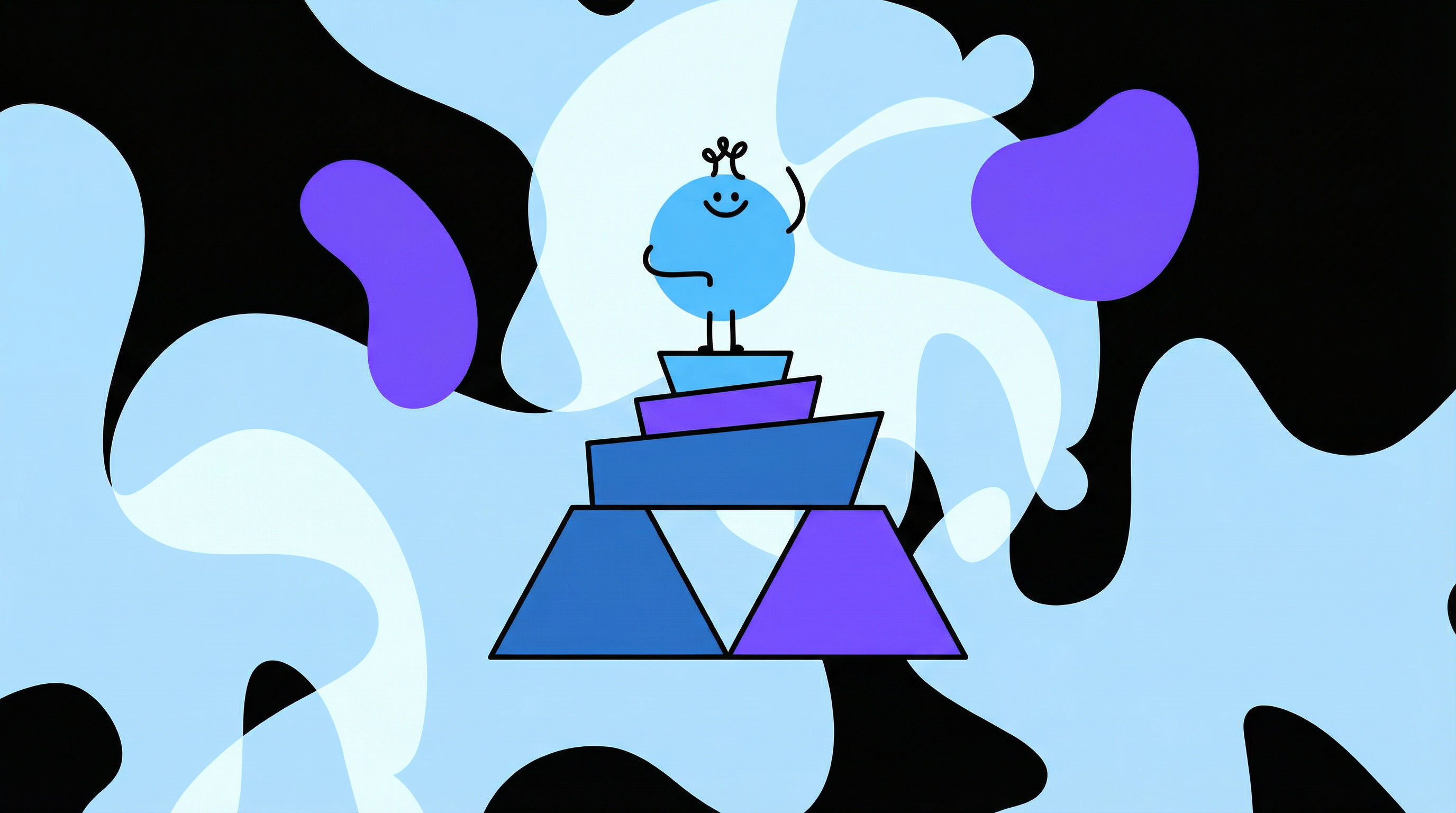
AI visualisation strategy is no longer a futuristic experiment reserved for enterprise giants. In 2026, it has become a foundational growth mechanism for startups competing in saturated digital markets, where perception, speed, and structured authority determine ranking outcomes. While many founders still focus primarily on product refinement and performance marketing, search ecosystems are increasingly rewarding companies that present intelligent, scalable visual systems aligned with data, behavioral insights, and adaptive design logic. AI visualisation strategy enables startups to move beyond static branding and into dynamic brand architecture that evolves across web interfaces, search engines, AI-driven platforms, and emerging digital environments. Unlike traditional brand design approaches that prioritize one-time asset creation, AI visualisation builds a system that responds to user signals, engagement patterns, and algorithmic visibility requirements, ensuring that the brand remains relevant, optimized, and contextually aligned with search intent.
To understand the structural importance of scalable brand foundations, it is helpful to revisit core identity principles discussed in Creating a Powerful Brand Identity. However, AI visualisation expands those fundamentals into intelligent frameworks. Instead of static logo kits and rigid brand manuals, startups now require modular visual systems, adaptive typography hierarchies, generative asset pipelines, and automated creative testing environments. This transformation directly influences how search engines interpret authority signals. Visual consistency, structured design systems, user engagement depth, and behavioral retention metrics all feed into ranking models. When visual architecture aligns with UX clarity and technical optimization, startups gain measurable improvements in dwell time, interaction rate, and conversion flow stability. These performance indicators compound over time, strengthening domain trust and search credibility.
Search engines in 2026 evaluate more than keywords. They analyze user experience patterns, content engagement structures, interaction design coherence, and behavioral consistency. AI visualisation supports these ranking dimensions by producing visual ecosystems that enhance comprehension speed and emotional clarity. Intelligent layout logic improves scanning behavior, reducing bounce probability. Adaptive content visuals guide users toward conversion actions without friction. Structured brand systems reinforce recognition across multiple touchpoints, creating memory signals that increase direct traffic and branded search growth. These signals collectively strengthen domain authority. Startups that ignore this shift risk stagnation, particularly when competitors adopt AI-driven brand systems engineered for performance optimization and structured discoverability.
Website architecture plays a critical role in this equation. The integration of AI visualisation into digital platforms must align with UX best practices explained in Understanding the Difference Between User Interface UI and User Experience UX. Design aesthetics alone are insufficient. AI visualisation enhances hierarchy clarity, interaction predictability, and visual storytelling flow. When layered with conversion experimentation frameworks such as those outlined in Mastering Website Optimization Through A/B Testing, startups can continuously refine visual impact using real engagement data. This iterative process transforms brand design from subjective art into measurable growth infrastructure.
Scalability is the defining advantage of AI visualisation strategy. Startups rarely remain static. They pivot, expand into new markets, introduce additional product lines, and refine messaging as they gather user insights. Traditional branding systems often struggle to adapt under these conditions, leading to fragmented identity experiences. AI visualisation resolves this by structuring visual logic through modular design frameworks. Dynamic logo behaviors, generative imagery libraries, automated asset resizing, adaptive content templates, and structured visual governance ensure consistency without rigidity. These systems allow rapid iteration without compromising recognition or clarity. For founders building early-stage platforms, aligning AI visualisation with core website fundamentals described in Top 5 Must Have Features for Every Startup Website ensures performance and structure grow together.
Moreover, AI visualisation supports differentiation. Saturated industries create visual monotony, where competitors recycle identical color palettes and messaging structures. Intelligent generative frameworks enable startups to craft distinctive brand environments that feel modern, responsive, and technologically advanced. Avoiding predictable branding mistakes, as highlighted in 5 Common Branding Mistakes Startups Make But You Can Avoid, becomes significantly easier when design systems are structured around long-term strategic logic rather than short-term aesthetic trends.
Digital authority is built through repetition, consistency, and measurable engagement impact. AI visualisation contributes to all three dimensions. Intelligent content systems accelerate production velocity without sacrificing alignment. Adaptive visuals personalize user journeys based on behavioral patterns. Structured brand systems ensure that as startups expand into automation, AI-driven marketing, or emerging digital platforms, visual coherence remains intact. The broader transformation of branding through AI and emerging technologies is explored in The Future of Brand Building: How Web3 and AI Will Transform Branding, reinforcing the reality that visual systems must evolve alongside technological ecosystems.
Startups that adopt AI visualisation strategy early create compounded growth advantages. Engagement improves. Conversion rates stabilize. Content scaling accelerates. Search signals strengthen. Brand recall deepens. Over time, these improvements generate sustained domain authority gains that cannot be easily replicated by competitors relying solely on paid traffic acquisition. When integrated thoughtfully with structured brand positioning and ongoing optimization cycles, AI visualisation becomes more than a design methodology. It becomes a search growth engine engineered for visibility resilience, ranking performance, and scalable market leadership.
AI visualisation strategy represents the intersection of brand intelligence, search optimization, and scalable digital infrastructure. Startups that embrace this evolution position themselves for durable authority rather than temporary traction. By combining adaptive visual systems, UX alignment, structured experimentation, and long-term strategic clarity, founders build brands capable of thriving in algorithm-driven ecosystems. The competitive landscape of 2026 favors those who engineer perception with precision. AI visualisation provides the framework to do exactly that.





India's e-commerce market has experienced explosive growth over the past decade, with a massive shift towards online shopping across urban and rural areas alike...

investors evaluate risk before opportunityUnderstanding investor psychology gives founders a competitive advantage.key factorsmarket sizeteam strengthbrand perc...

Establishing a digital presence in Dubai requires choosing the right website design agency, which can significantly impact your business's success. Dubai, with...